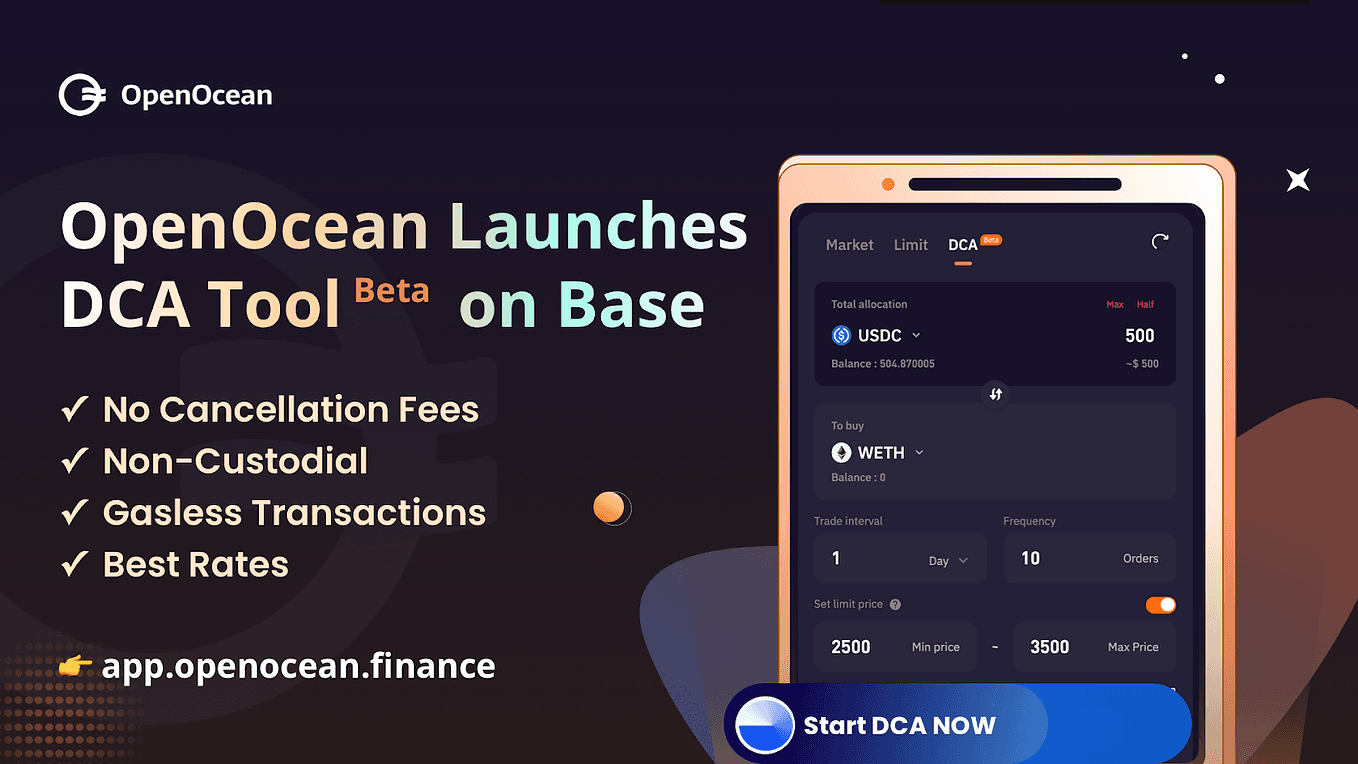
OpenOcean Finance: A Complete Guide to Efficient DeFi Trading
Decentralized finance, commonly known as DeFi, has transformed the way people interact with digital assets. Unlike traditional finance, DeFi allows users to trade, lend, borrow, and earn interest without relying on centralized institutions. One of the platforms that has gained attention in this space is OpenOcean Finance, a decentralized aggregator designed to optimize cryptocurrency trading across multiple networks. Its mission is to provide users with the best trading routes, minimal slippage, and reduced transaction fees.
This article provides a detailed overview of OpenOcean Finance, its features, advantages, operational process, and essential tips for maximizing efficiency and security while using the platform. It is aimed at both beginners exploring DeFi and experienced users looking to improve trading outcomes.
What Is OpenOcean Finance?
OpenOcean Finance is a decentralized platform that aggregates liquidity from numerous decentralized exchanges (DEXs) and trading protocols. By analyzing multiple trading sources, the platform identifies the most favorable prices and optimal routes for executing trades. This ensures that users receive better value for their tokens compared to trading on a single exchange.
The platform supports multiple blockchain networks, including Ethereum, Binance Smart Chain, Solana, and Polygon. Its multi-chain capabilities allow users to trade assets across different networks seamlessly. OpenOcean Finance aims to bridge liquidity fragmentation and simplify complex trading processes in the DeFi ecosystem.
Core Features of OpenOcean Finance
OpenOcean Finance offers a variety of features designed to enhance trading efficiency, improve price accuracy, and provide a user-friendly experience.
1. Aggregated Trading
The primary function of OpenOcean Finance is to aggregate liquidity from multiple decentralized exchanges. By comparing prices and slippage across sources, the platform ensures users obtain the best possible rates for their trades. Trades may even be split across different exchanges to achieve optimal results.
2. Multi-Chain and Cross-Chain Support
The platform supports multiple blockchains, enabling users to trade assets on various networks without needing separate accounts or tools. OpenOcean also facilitates cross-chain swaps, allowing users to convert tokens between blockchains efficiently. This feature is particularly useful for diversifying holdings or taking advantage of trading opportunities across networks.
3. Gas Fee Optimization
High network fees can significantly impact trading costs. OpenOcean Finance helps minimize transaction fees by routing trades through the most efficient paths and selecting lower-fee options where possible. This reduces overall costs for users, especially on networks like Ethereum where gas fees can fluctuate widely.
4. Advanced Trading Options
In addition to simple token swaps, OpenOcean Finance offers advanced trading options such as limit orders. Users can set the price at which they want to execute a trade, allowing for strategic planning and better market control. This functionality is useful for traders seeking specific price points rather than immediate execution.
5. Integration with Popular Wallets
OpenOcean Finance integrates with widely used cryptocurrency wallets such as MetaMask, Ledger, and Trezor. This ensures users retain control over their funds, as transactions are executed directly from their wallets without transferring tokens to a centralized platform.
6. Analytics and Market Data
The platform provides users with essential analytics, including token prices, liquidity depth, historical trading data, and transaction history. These insights assist traders in making informed decisions and monitoring market trends effectively.
How OpenOcean Finance Works
Understanding the platform's workflow is key to leveraging its benefits effectively. OpenOcean Finance operates through a systematic process that optimizes trades automatically:
Liquidity Analysis: The platform scans multiple decentralized exchanges to find available liquidity for the token pair being traded.
Price Comparison: It compares prices across all sources to determine the most favorable rate.
Transaction Routing: If necessary, trades are split across multiple exchanges to reduce slippage and improve execution.
Execution: The trade is executed in a single transaction, ensuring efficiency and reducing the likelihood of errors or failed trades.
This automated process simplifies complex trading strategies, making them accessible even to users with limited technical expertise.
Benefits of Using OpenOcean Finance
OpenOcean Finance provides several advantages compared to traditional decentralized exchanges or centralized trading platforms.
1. Enhanced Price Efficiency
Aggregated liquidity ensures users get the most competitive prices for token swaps, reducing the risk of overpaying for trades.
2. Reduced Slippage
Slippage occurs when a trade executes at a different price than expected due to low liquidity or price fluctuations. OpenOcean mitigates this by splitting trades across multiple liquidity sources and routing transactions efficiently.
3. Multi-Chain Flexibility
Traders can access assets across different blockchains without the need for multiple accounts or manual bridging. This flexibility broadens opportunities for portfolio diversification and arbitrage.
4. Lower Transaction Costs
Optimized routing and fee minimization help reduce gas fees, which is particularly valuable on high-cost networks such as Ethereum.
5. Security and Control
Users retain control over their funds through wallet integration. OpenOcean does not require users to deposit tokens onto the platform, reducing exposure to hacks or security breaches.
6. Access to Advanced Tools
Features such as limit orders, historical analytics, and cross-chain swaps empower users to execute professional-level strategies with minimal complexity.
Getting Started with OpenOcean Finance
Using OpenOcean Finance requires only a few steps, making it accessible for both beginners and experienced traders:
1. Connect Your Wallet
Begin by connecting a compatible cryptocurrency wallet. Wallets such as MetaMask, Ledger, and Trezor are supported. Connection ensures users maintain full control over their tokens while enabling the platform to execute trades securely.
2. Choose Tokens to Swap
Select the cryptocurrency pair for the trade. OpenOcean Finance supports a wide range of assets across multiple blockchains.
3. Review Transaction Details
The platform provides real-time information about prices, estimated slippage, gas fees, and trade routes. Users can adjust parameters if necessary before confirming the trade.
4. Execute the Trade
Confirm the transaction in the connected wallet. OpenOcean automatically routes the trade through optimal paths and executes it efficiently.
5. Monitor Transactions
Users can track completed transactions within the platform and verify them on blockchain explorers. Transparency ensures confidence and accountability in all trades.
Security Considerations
While OpenOcean Finance is a secure platform, users should follow best practices to protect their assets:
Use Trusted Wallets: Always connect through reputable wallets to maintain control of private keys.
Verify Official Platform Access: Ensure the correct URL is used to avoid phishing scams.
Enable Hardware Security: For hardware wallet users, always confirm transactions on the device itself.
Protect Private Keys and Recovery Phrases: Never share sensitive information with anyone.
Double-Check Transaction Details: Review token amounts, addresses, and fees before confirming.
Adhering to these practices ensures a secure trading experience while reducing potential risks associated with DeFi platforms.
Common Issues and Troubleshooting
Despite the platform’s efficiency, users may encounter occasional problems:
1. Failed Transactions
Transactions may fail due to network congestion, low liquidity, or insufficient gas fees. Adjusting parameters or retrying later often resolves the issue.
2. Wallet Connectivity Issues
If a wallet does not connect, ensure the wallet software or extension is updated and authorized for use. Clearing browser cache or restarting devices may help.
3. Price Fluctuations
Due to the volatile nature of cryptocurrency markets, prices may change between viewing and execution. OpenOcean attempts to minimize discrepancies but users should verify trade confirmations carefully.
Conclusion
OpenOcean Finance is a leading DeFi aggregator designed to streamline cryptocurrency trading. By combining liquidity from multiple sources, supporting multiple blockchains, and optimizing trade execution, the platform ensures users receive competitive prices with minimal slippage and lower transaction costs. Its integration with popular wallets and support for advanced features make it suitable for both new and experienced traders.
Users benefit from enhanced efficiency, improved trading control, and greater security by maintaining custody of their funds through their wallets. Adhering to best practices in wallet management, transaction verification, and security ensures a safe and productive trading experience.
For anyone seeking an accessible, cost-efficient, and professional-grade solution for decentralized trading, OpenOcean Finance provides a robust and reliable platform to navigate the dynamic world of DeFi.